What makes a Detroit beat like "Syrup" work for Rio Da Yung OG and Babyfxce E?
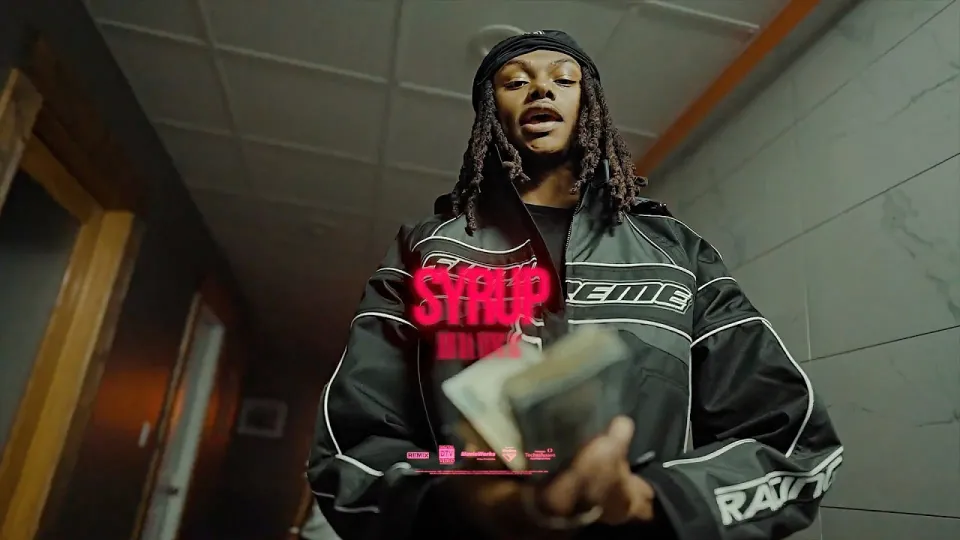
Video: [FREE] Rio Da Yung OG x Babyfxce E Type Beat - “Syrup” | Detroit Type Beat
Need articles like this for your video? They help promote it on YouTube and Google — order them in the Telegram bot @sat_sit_bot. The bot writes and publishes the articles itself (with your YouTube video embedded) on popular topical websites (no ads). Free trial — 50 articles.
· based on the channel Reuel StopPlaying
A Detroit beat is a sparse, loop-driven instrumental built for dense, punchline-heavy rapping, and "Syrup" by Reuel StopPlaying follows that formula: a short melodic sample, hard drums and plenty of open space for a Rio Da Yung OG or Babyfxce E-style verse. The beat is offered as a free download for non-profit use through the producer's beat link, with paid licensing required for anything commercial.
What a Detroit type beat actually is
A Detroit type beat is an instrumental made in the style of Detroit and Flint, Michigan rap: minimal loops, punchy drums and a mix that leaves the vocal front and center. The style grew out of the Michigan scene around artists such as Rio Da Yung OG, Babyfxce E, BabyTron, RMC Mike, Grindhard E, Krispylife Kidd and YSR Gramz, whose tracks often run on one or two repeating elements rather than big chord progressions. Producers lean on short vocal or instrument chops, a heavy kick pattern and a snare that cuts through phone speakers. The result is music that sounds unfinished on purpose, because the rapper is supposed to fill the gaps.
How "Syrup" is built and why the tag stands out
"Syrup" applies that template with a melodic loop, a steady drum pattern and a producer tag that listeners noticed immediately. The most-liked comments on the upload focus on the tag and on a sampled vocal phrase, with several people saying the tag is what makes the beat memorable and others joking that they cannot take the track seriously at first and then admit it goes hard. That reaction is useful information for anyone making Detroit-style beats: a distinctive tag is part of the record, not an interruption. The title and the Rio Da Yung OG x Babyfxce E reference also tell a rapper what lane the beat sits in before they press play.
The free-use rules you agree to when you download
The beat is free for non-profit use only, and the producer's terms are specific enough to follow step by step:
- Free downloads may be used for personal, promotional or non-profitable purposes, including free demos, promo CDs, streaming showcases on sites such as YouTube and Facebook, and live shows that make no profit.
- For-profit use is strictly forbidden under the free download.
- Every release using the beat needs written credit in this exact format: "Produced by (Producer Name) for SoundFirst Productions".
- That credit must appear on physical and digital distributions and in the description of any streaming upload.
- If written credit is impossible, recorded vocal credit must be given instead.
- Commercial or for-profit use requires a non-exclusive or exclusive license, which you arrange through the producer.
The producer also reserves the right to change the policy at their discretion, so check the current terms before you publish.
How to rap on a Rio Da Yung OG x Babyfxce E type beat
Rapping on this kind of Detroit beat is about pocket and density rather than melody. Start by counting the loop: most Michigan-style tracks sit in a narrow tempo range where a verse of 16 bars moves fast, so write short phrases and land the punchline on the snare. Keep the ad-libs loose and place them in the gaps the beat leaves open. Because the instrumental repeats, variation has to come from your delivery: change your cadence every four bars, stack a second vocal on the hook, and let one bar of silence do the work of a fill. If you are recording at home, a single clean take with light compression will sit better on a sparse loop than a heavily processed one.
Common questions from listeners and beginner rappers
The comments under "Syrup" show what people actually wonder about when a type beat goes viral. Many ask whether they can use the beat for a song they plan to sell, and the answer is no under the free download: monetized releases need a license. Others wonder whether the producer tag will stay in their recording, which is normal for free beats and one reason to buy an exclusive if the tag does not fit your release. Some listeners hear the sampled phrase and assume it is a clearance problem; in practice, the producer is responsible for the beat's sample, but a label will still ask about it before a commercial release. And several commenters say they opened a DAW on the spot to write a verse, which is the intended use: free beats exist to get your demo recorded and online.
Useful links
- Buy or license the beat: https://bit.ly/2mxSONh
- Producer on Twitter: https://twitter.com/reuelethan
- Producer on Instagram: http://instagram.com/Reuelethan
Final thoughts on the Detroit beat formula
"Syrup" is a clean example of why the Detroit type beat format keeps working: a short loop, hard drums and a tag people remember, packaged with clear free-use terms. If you want to record on it, download it through the beat link, follow the credit format exactly, and keep the release non-profit unless you buy a license. The breakdown and the upload come from the channel Reuel StopPlaying, which is worth following if you want more Rio Da Yung OG, Babyfxce E and Flint-style instrumentals.
Key takeaways
- "Syrup" is a free Detroit type beat by producer Reuel StopPlaying, built around a Rio Da Yung OG x Babyfxce E reference.
- The beat is free for non-profit use only; written credit "Produced by (Producer Name) for SoundFirst Productions" is required.
- Commercial or for-profit use needs a non-exclusive or exclusive license, purchased via the beat link.
- Detroit and Flint rap share sparse, loop-driven production: hard drums, short sample chops and space for dense, punchline-heavy verses.
- The upload drew listener jokes about the producer tag and a sampled vocal line, showing how a single tag can become part of the song.
Questions & answers
Can I sell a song recorded on the "Syrup" Detroit type beat?
Not under the free download. The producer allows free beats for personal, promotional and non-profitable use only, and for-profit use is strictly forbidden. To sell or monetize a release you need a non-exclusive or exclusive license, which you arrange through the beat link.
What credit do I have to write when I use this beat?
The required format is "Produced by (Producer Name) for SoundFirst Productions", with the producer's actual name filled in. It must appear on physical and digital releases and in the description of any streaming upload; if written credit is impossible, recorded vocal credit is required.
Why do people keep talking about the producer tag in the comments?
Listeners found the tag catchy and joked about it more than anything else in the beat, with some saying it is what stuck in their heads. Tags are standard on free beats, so if you want a clean version without one, that is a reason to look at a paid license.
Is a Detroit type beat the same as a Flint type beat?
They are closely related styles from the same Michigan scene, sharing sparse loops and hard drums, and producers often label beats with both terms. The difference is mostly reference artist and regional flavor rather than a strict musical rule, so the same instrumental can be tagged Detroit or Flint.
Source: [FREE] Rio Da Yung OG x Babyfxce E Type Beat - “Syrup” | Detroit Type Beat · Markdown version